Hydroxypropyl Methylcellulose capsules, also known as HPMC capsules or hypromellose capsules, are semi-synthetic polymers derived from plant cellulose. They are used as capsule shells and serve as a vegetarian alternative to gelatin capsules, widely applied in pharmaceuticals and dietary supplements.
Key Features
- Vegetarian and Vegan-Friendly: Made from plants, free of animal-derived ingredients, suitable for vegetarians and individuals avoiding animal products for ethical or religious reasons.
- Stable and Inert: Chemically stable, with better tolerance to temperature and humidity changes than gelatin capsules; resistant to deformation or brittleness.
- Globally Recognized: Approved by major regulatory authorities such as the U.S. FDA and European EFSA for use in pharmaceuticals, foods, and supplements.

Are HPMC Capsules Safe?
Yes. For the vast majority of people, HPMC capsules are safe. Regulatory agencies including the U.S. Food and Drug Administration (FDA), European Food Safety Authority (EFSA), and World Health Organization (WHO) classify HPMC as non-toxic and suitable for oral use.
Safety and Stability Advantages
- Low Allergenicity: Free from common animal-derived allergens, avoiding concerns related to religious restrictions or diseases like BSE (mad cow disease).
- Low Microbial Risk: Plant-based material is less prone to microbial growth, offering longer shelf life.
- Scientific Support: Extensive studies and long-term use demonstrate that HPMC is well-tolerated at conventional doses, with very few adverse reactions.
Note: Individuals with rare allergies to cellulose derivatives should consult a healthcare professional before use.
How Does HPMC Affect the Body?
HPMC capsule shells act primarily as a carrier or delivery vehicle, designed to dissolve in specific regions of the gastrointestinal tract (stomach or intestine) to release the contents.
- Not Absorbed: HPMC is not absorbed into the bloodstream; it only serves as a capsule shell.
- May Influence Release: In some formulations, HPMC forms a gel barrier upon contact with water, enabling controlled or sustained release of the active ingredient.
- Digestive Inertness: Generally considered harmless to the gastrointestinal tract and does not interfere with the absorption of other drugs or nutrients.
Studies indicate that HPMC capsules do not negatively affect the absorption of nutrients or medications and are compatible with a wide range of formulations.
Are HPMC Capsules Made from Corn?
This is a common misconception. While some cellulose sources may come from corn, HPMC is primarily derived from wood pulp or cotton fibers. Pharmaceutical-grade HPMC capsules are usually:
- Gluten-Free and Non-GMO
- Free of Animal By-Products
- Ethically and Dietarily Suitable for vegetarians, vegans, and individuals following religious dietary restrictions
Who Should Avoid HPMC Capsules?
Although HPMC capsules are safe for most people, certain individuals should exercise caution:
- Those with rare allergies to cellulose derivatives
- Individuals with gastrointestinal disorders affecting digestion
- Children, pregnant, or breastfeeding women should consult a healthcare professional before use
- Patients taking medications with specific controlled-release requirements should verify compatibility
If you have any concerns about capsule ingredients or potential interactions with medications or health conditions, consult a qualified healthcare professional.
Summary
HPMC capsules are a safe, vegetarian alternative to gelatin, widely used in pharmaceuticals and dietary supplements. They are chemically inert, stable, and generally well-tolerated by most people. While safe for most, individuals with specific allergies, gastrointestinal conditions, or medical concerns should consult a doctor.
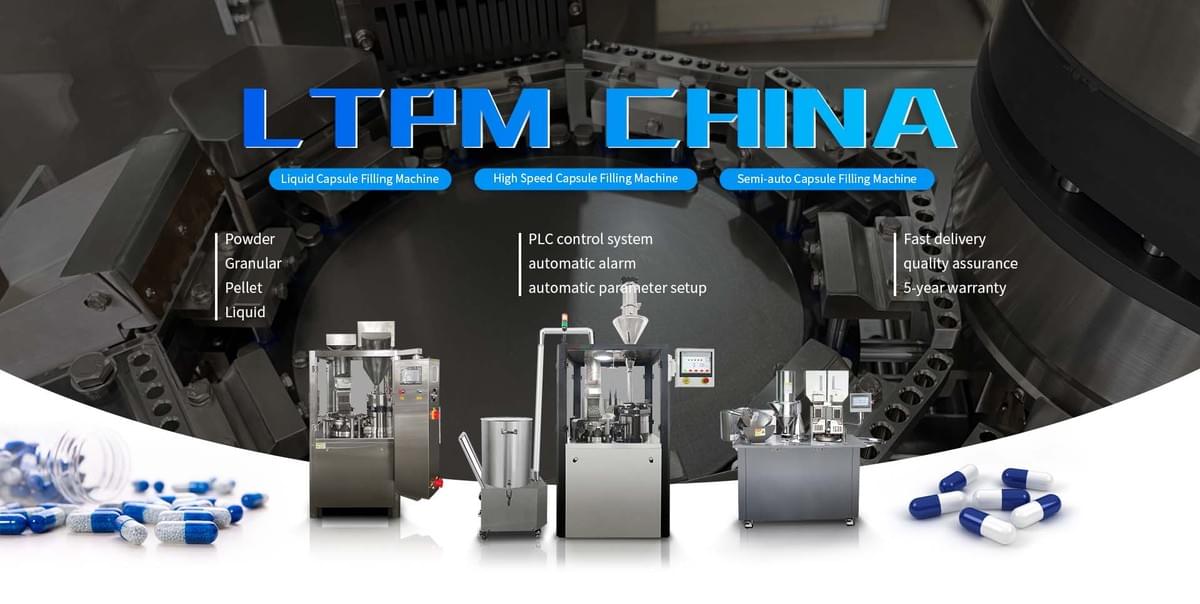
If you are looking for high-quality HPMC capsules for dietary supplements or pharmaceuticals, as well as capsule filling equipment, contact our technical team. We can advise on batch size, formulation compatibility, and production guidance to ensure your products are safe, effective, and compliant with industry standards.