
- Production Machine
- Packing machine
- Decapsulator
- Deblistering Machine
- Capsule Form Solution
- Tablet Form Solution
- Powder / Granular Form Solution
- Tablet Inspection Machine
- Powder Processing Solution

LTPM CHINA
- Production Machine
- Packing machine
- Decapsulator
- Deblistering Machine
- Capsule Form Solution
- Tablet Form Solution
- Powder / Granular Form Solution
- Tablet Inspection Machine
- Powder Processing Solution
- Production Machine
- Packing machine
- Decapsulator
- Deblistering Machine
- Capsule Form Solution
- Tablet Form Solution
- Powder / Granular Form Solution
- Tablet Inspection Machine
- Powder Processing Solution

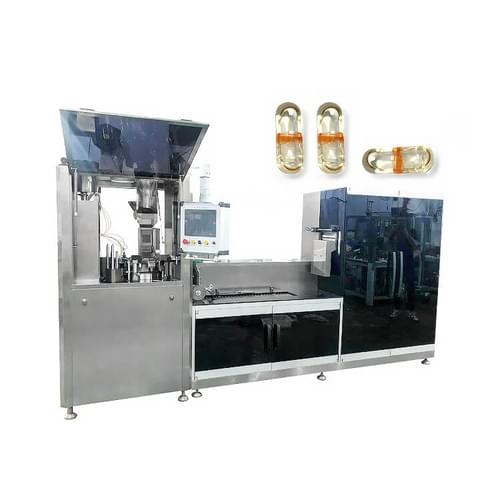
Automatic Capsule Filling Machine
LTPM CHINA offers high-performance capsule filling machines, ensuring high throughput and filling accuracy.
Maximum output is 228000 capsules/h. Supports encapsulation of powders, granules, pills, liquids, and semi-solid formulations.
 NJP Series Fully Automatic Capsule Filling MachineSend An Inquiry
 LTFK Series New Generation Fully Automatic Capsule Filling Machine Pharmaceutical MachinerySend An Inquiry
 CapTop Series New Design Fully Automatic Pill Capsule Filler Filling Machine for PowderSend An Inquiry
Why Choose LTPM CHINA Capsule Filling Machines?
We provide customized capsule filling production lines, designed and optimized by a senior engineering team with over 10 years of project experience. We offer a 5-year warranty and timely after-sales support, giving you peace of mind and allowing you to enjoy the long-term benefits of your investment.
Partnering with LEADTOP means choosing a trusted industry leader with cutting-edge technology and world-class support. Our advantages include:
- Free Factory Acceptance Test: Every machine undergoes a free FAT, verifying performance, precision, and compliance before shipping.
- Custom Solutions: We offer fully customizable capsule filling solutions, including non-standard materials, capsule types, and special production needs.
- Professional Design: Our engineering team provides detailed drawings and plant layout designs, optimizing your production efficiency.
- On-Site Installation & Training: We provide on-site setup, operator training, and technical guidance, ensuring a smooth transition into production.
- 24/7 Technical Support: Our dedicated team is available 24/7, ensuring rapid assistance and fast spare parts delivery worldwide.

Solid Capsule
medications, health supplements
Pill Filler Powder Capsule filling machine is capable of accurately filling solid materials such as powders and granules. With precise dosing capabilities, capsule filling machine ensures consistent and reliable filling of solid materials within the desired dosage range.

Liquid Capsule
medications, health supplements
Capsule filling machine enables efficient filling of liquid materials such as oils, syrups, and suspensions. It is designed to handle the specific requirements of liquid filling, including preventing leaks and maintaining product integrity.

Combined Capsule
dual-action supplements, medications
Capsule filling machine also supports the filling of combined materials, which involve a combination of solid and liquid components. The machine ensures accurate and even filling of materials, maintaining product quality and consistency.
Advantages of capsule filling machines
We will continue to strive to improve and innovate to meet our customers' needs and provide excellent products and services.

Multiple capsule size applicability and quick and easy filling operation
Capsule filling machines are suitable for a variety of capsule sizes, from small to large capsules. At the same time, our equipment adopts efficient automation technology to make the filling process simple, convenient and efficient. Operators only need to set parameters and monitor operations without frequent manual intervention. These two advantages give our capsule filling machines a wide range of applicability and excellent production efficiency.

High filling accuracy and reliable warranty service
Capsule filling machines have high-precision filling capabilities, ensuring accurate dosage for each capsule. Using advanced metering and control technology, our equipment enables precise dosage control, ensuring product quality and consistency. In addition, we offer a five-year warranty on our capsule filling machines, providing customers with the assurance of reliability and stability. These two advantages make our capsule filling machines a high-quality, high-precision and reliable choice.
Capsule Filling Machine Videos
Videos showing the operation and debugging of powder and liquid capsule filling machines. Please contact us for more information.
Get More Information about Automatic Capsule Filling Machine
Looking for a reliable capsule filling machine supplier?
Contact us for a free consultation, customized solutions, and exclusive discounts.
Message *Name *Email *Phone *Select...
Your Best Automatic Capsule Filling Machine Supplier from LTPM CHINA!
FAQ
1.How can I troubleshoot common startup and power problems with capsule filling machines?
(1)Check the power connection and switches: Ensure that the machine is properly connected to a stable power supply. Verify that the power cable is securely plugged in and that there are no loose connections. Additionally, check the power switch or button to ensure it is in the correct position.
(2)Inspect the fuses and electrical wires: Examine the fuses in the machine's electrical panel to ensure they are not blown or damaged. Replace any faulty fuses with appropriate replacements. Inspect the electrical wires for any signs of damage or poor connections. Tighten any loose connections or replace damaged wires.
(3)Verify the status of the control panel and switches: Check the control panel for any error messages or warning lights. Make sure that the settings on the control panel are properly configured according to the machine's operation manual. In case of any errors or discrepancies, consult the manual for troubleshooting guidance or contact the manufacturer's technical support team.
(4)Seek assistance from the manufacturer's technical support team: If the above steps do not resolve the startup and power issues, it is advisable to reach out to the manufacturer's technical support team. They can provide further guidance and troubleshooting steps specific to your capsule filling machine.
Remember to always follow safety protocols and guidelines when troubleshooting power-related issues. If you are unsure or uncomfortable with any electrical troubleshooting, seek assistance from a qualified professional to avoid potential hazards.
2.What can be done to prevent and address capsule jamming and blockage in capsule filling machines?
(1)Ensure proper alignment and supply of capsules: Check the capsule feeding system to ensure that capsules are properly aligned and can smoothly enter the filling area. Misaligned or poorly positioned capsules can lead to jams. Adjust the feeding system as necessary to ensure a consistent and reliable supply of capsules.
(2)Regularly clean and maintain the filling device: Over time, powder residues or debris can accumulate in the filling device, leading to blockages. Regularly clean the filling device, removing any residual powder or debris. Follow the machine's operation manual for specific cleaning instructions and recommended frequency.
(3)Adjust machine parameters: Fine-tune machine parameters such as filling speed and compression force to avoid capsule jamming. Adjusting these parameters can help optimize the filling process and prevent excessive pressure or strain on the capsules. Consult the machine's operation manual for recommended parameter settings and adjustment procedures.
(4)Conduct routine maintenance and inspections: Regularly inspect the machine for any worn-out or damaged parts that may contribute to capsule jamming or blockage. Replace any faulty or worn-out components promptly. Additionally, perform routine maintenance tasks such as lubrication and calibration as recommended by the manufacturer.
(5)Implement proper capsule handling procedures: Train operators on proper capsule handling techniques to minimize the risk of jams or blockages. Emphasize the importance of careful handling and avoiding unnecessary force when working with capsules.
If despite these preventive measures, capsule jamming or blockage occurs, follow these steps to address the issue:
a. Stop the machine: Immediately stop the machine to prevent further damage or complications.
b. Clear the blockage: Carefully remove any jammed capsules or debris from the filling device or conveyor system. Use appropriate tools or cleaning brushes to clear the blockage, ensuring not to damage any delicate components.
c. Verify alignment and functionality: After clearing the blockage, double-check the alignment of the capsule feeding system and verify the proper functioning of the filling device. Ensure that everything is in place and aligned correctly before restarting the machine.
d. Resume operation and monitor: Once the issue is resolved, restart the machine and closely monitor its performance for any recurring problems. Conduct regular inspections and maintenance to prevent future occurrences.
Remember, for more complex issues or persistent problems, it is always advisable to seek assistance from the manufacturer's technical support team or a qualified professional.
3.How can I ensure accurate fill volumes in capsule filling machines? Are there troubleshooting steps or optimization techniques?
(1)Calibrate the filling device: Regularly calibrate the filling device to ensure accurate volume measurements. Follow the manufacturer's instructions for calibration procedures and frequency. Calibration involves adjusting the device to accurately dispense the intended fill volume.
(2)Optimize machine parameters: Adjust machine parameters such as powder supply, compression force, and filling speed to optimize fill volume control. Fine-tuning these parameters can help achieve more accurate and consistent fill volumes. It may require experimentation and optimization based on the characteristics of the specific products being filled.
(3)Test and adjust the machine: Conduct regular testing to verify the accuracy of the fill volumes. Use samples or test materials with known specifications to verify that the machine is dispensing the correct volume consistently. If inconsistencies are observed, adjust the machine parameters accordingly to achieve the desired fill volume accuracy.
(4)Verify the quality and characteristics of the powder: The properties of the powder being filled can affect the accuracy of fill volumes. Ensure that the powder is of high quality, free from clumps or impurities that may disrupt the filling process. Consider conducting particle size analysis and other relevant tests to understand the powder's characteristics and optimize the machine accordingly.
(5)Maintain and clean the filling device: Proper and regular maintenance of the filling device is essential to ensure accuracy. Clean the filling device regularly to remove any residual powder or debris that may affect volume measurements. Follow the manufacturer's guidelines for cleaning and maintenance procedures.
(6)Consider automated monitoring and control systems: Implementing automated monitoring and control systems can help ensure accurate fill volumes. These systems can provide real-time feedback and adjustments based on sensor measurements, enhancing accuracy and reducing human error.
(7)Training and operator expertise: Provide comprehensive training to machine operators on the proper operation and adjustment of the filling machine. Ensure operators understand the importance of accuracy, the significance of machine parameters, and how to troubleshoot and adjust the machine to maintain accurate fill volumes.
If fill volume inaccuracies persist despite these measures, it is recommended to consult the manufacturer's technical support team or seek assistance from professionals with expertise in capsule filling machines.
4.What are effective solutions for dealing with capsule sealing and leakage problems in capsule filling machines?
(1)Verify the sealing temperature, pressure, and time: Ensure that the sealing device is set to the correct temperature, pressure, and time settings. Improper settings can result in incomplete or ineffective capsule sealing. Consult the machine's operation manual for recommended settings and adjust as necessary.
(2)Inspect the quality of sealing materials: Examine the quality of sealing materials, such as gelatin or HPMC capsules, to ensure they meet the required specifications. Low-quality or expired sealing materials can contribute to sealing and leakage problems. Choose reliable suppliers and perform periodic quality checks on the sealing materials.
(3)Check the condition of the sealing device: Regularly inspect the sealing device to ensure it is in good working condition. Look for any signs of wear, damage, or misalignment. Replace any worn-out or damaged components promptly. Lubricate the sealing device as recommended by the manufacturer.
(4)Implement proper capsule handling techniques: Train operators on proper capsule handling techniques to minimize the risk of damage during the sealing process. Emphasize gentle and careful handling to avoid damaging the capsules or compromising the sealing integrity.
(5)Optimize sealing parameters: Fine-tune the sealing parameters such as temperature, pressure, and time to optimize the sealing process. Experiment with different parameter settings to achieve the best sealing results. Consult the machine's operation manual and seek guidance from the manufacturer if needed.
(6)Perform regular maintenance and cleaning: Conduct routine maintenance tasks to keep the sealing device clean and in optimal condition. Remove any residual powder or debris that may affect the sealing process. Use recommended cleaning agents and follow the manufacturer's guidelines for cleaning procedures.
(7)Conduct seal integrity testing: Periodically perform seal integrity testing to verify the effectiveness of the sealing process. Use appropriate methods such as visual inspection, leak testing, or dye penetration testing to identify any leaks or weaknesses in the seals. Adjust the sealing parameters if necessary to improve seal integrity.
(8)Monitor and ensure process consistency: Continuously monitor the sealing process for consistency and quality control. Regularly inspect sealed capsules for any signs of leakage or defects. Implement process controls and corrective actions as necessary to maintain sealing quality.
In cases where sealing and leakage problems persist or are recurring, it is recommended to consult the manufacturer's technical support team or seek assistance from professionals with expertise in capsule filling machines and sealing processes.
5.How can I resolve abnormal noise and vibration issues in capsule filling machines? Are there maintenance or troubleshooting methods?
(1)Inspect and tighten machine components: Begin by inspecting and tightening machine components such as screws, bolts, and belts. Loose components can generate noise and contribute to vibration. Ensure that all components are secure and tightened to the manufacturer's recommended torque specifications.
(2)Lubrication and maintenance: Proper lubrication of machine parts is important to reduce friction and minimize noise. Follow the manufacturer's guidelines for lubrication frequency and use appropriate lubricants for each part. Regular maintenance, including cleaning and inspection, can also help identify and resolve potential issues that may lead to noise and vibration.
(3)Check for worn-out or damaged parts: Inspect the machine for worn-out or damaged parts, such as bearings, gears, or belts, which can cause abnormal noise and vibration. Replace any faulty or worn-out components promptly to restore smooth and quiet operation.
(4)Balance and alignment: Improper balance and misalignment of machine components can contribute to noise and vibration. Check the balance and alignment of rotating parts such as motors or shafts. Adjust or align these components as necessary to minimize noise and vibration.
(5)Vibration isolation and damping: Implement vibration isolation techniques by using vibration-absorbing materials or isolators. These can help reduce the transmission of vibrations from the machine to its surroundings. Additionally, consider installing damping measures such as rubber mounts or vibration-damping pads to absorb and dissipate vibrations.
(6)Evaluate machine foundations: Ensure that the machine is installed on a stable and sturdy foundation. Assess the machine's base or platform for stability and structural integrity. If necessary, reinforce or modify the foundation to minimize vibrations.
(7)Seek professional assistance: If the above solutions do not resolve the abnormal noise and vibration issues, it is advisable to seek professional assistance. Contact the manufacturer's technical support team or consult experts with experience in capsule filling machines and mechanical systems.
Regular monitoring and maintenance can help identify and address noise and vibration issues early on, preventing potential damage and ensuring the smooth operation of the capsule filling machine.
6.How can I troubleshoot control panel error codes and alarms in capsule filling machines? Are there proven solutions to address these issues?
(1)Refer to the machine's documentation: Consult the machine's user manual or technical documentation for a comprehensive list of error codes and alarm explanations. These resources often provide specific instructions on how to diagnose and resolve common issues.
(2)Understand the error codes and alarms: Familiarize yourself with the meaning and significance of each error code or alarm. Error codes often indicate specific faults or malfunctions within the machine. Understanding the error codes will help you identify the underlying cause and determine the appropriate course of action.
(3)Follow recommended troubleshooting steps: The machine's documentation may provide recommended troubleshooting steps for each error code or alarm. Follow these steps carefully, as they are designed to address common issues that trigger the error codes or alarms. Perform any necessary checks, adjustments, or repairs as outlined in the troubleshooting guide.
(4)Reset the machine: In some cases, error codes or alarms can be cleared by resetting the machine. This involves powering off the machine, waiting for a few seconds, and then powering it back on. However, it is important to note that resetting should only be performed if it is safe to do so and if the error is not indicating a serious issue that requires professional intervention.
(5)Contact the manufacturer's technical support: If the error codes or alarms persist or if they indicate a serious issue, it is advisable to contact the manufacturer's technical support team. They can provide more detailed guidance and specific troubleshooting steps tailored to your machine model. Be prepared to provide them with the relevant error codes and a detailed description of the issue.
(6)Document recurring errors: If you encounter recurring or persistent error codes or alarms, document the specific details, including the error codes, timestamps, and any relevant observations. This information can be helpful when seeking assistance from the manufacturer's technical support team or when engaging the services of a professional technician.
It is essential to prioritize safety when troubleshooting control panel errors and alarms. Be mindful of any warnings or precautions provided in the machine's documentation. If unsure or uncomfortable with troubleshooting procedures, seek assistance from qualified professionals or the manufacturer's technical support team.
7.What preventive measures should I take to avoid blockage and jamming in capsule filling machines? Are there specific maintenance practices or best practices?
(1)Proper capsule storage and handling: Store capsules in a controlled environment with appropriate humidity and temperature conditions to prevent deformities or moisture-related issues. Handle capsules with care, avoiding excessive force or impact that could result in deformation or misalignment.
(2)Regular cleaning and maintenance: Establish a routine cleaning schedule for the capsule filling machine. Remove any residual powder or debris from the feeding system, filling device, and conveyor belts. Ensure that these components are free from blockages or obstructions. Follow the manufacturer's guidelines for cleaning and maintenance procedures.
(3)Inspection and replacement of wear-prone parts: Regularly inspect machine components such as seals, gaskets, O-rings, and conveyor belts for signs of wear or damage. Replace any worn-out or damaged parts promptly to avoid potential issues that could lead to blockage or jamming.
(4)Adjust machine parameters and settings: Fine-tune machine parameters such as filling speed, compression force, and powder supply to optimize the filling process and minimize the risk of blockage or jamming. Consult the machine's operation manual for recommended parameter settings and adjustments.
(5)Optimize powder flow characteristics: Ensure that the powder being used for filling has suitable flow characteristics. Powders with poor flow properties can contribute to blockages and jams. Consider conducting flowability tests and work with suppliers to obtain powders with optimal flow properties for efficient filling.
(6)Regular lubrication and inspection of moving parts: Lubricate machine components as recommended by the manufacturer. Regularly inspect and maintain moving parts such as bearings, gears, and motors to ensure smooth operation and reduce the risk of blockage or jamming.
(7)Operator training and awareness: Provide comprehensive training to machine operators on the proper operation, maintenance, and troubleshooting techniques relevant to the capsule filling machine. Emphasize the importance of vigilance, regular inspections, and adherence to preventive measures to avoid blockage and jamming issues.
(8)Implement sensors and monitoring systems: Consider installing sensors or monitoring systems to detect and alert operators of potential blockage or jamming issues. These systems can provide real-time feedback, enabling timely intervention to prevent or address problems before they escalate.
By implementing these preventive measures and adhering to maintenance best practices, you can significantly reduce the risk of blockage and jamming in capsule filling machines, ensuring smooth and uninterrupted production.
8.What are the essential maintenance and care practices for ensuring optimal performance and longevity of capsule filling machines?
(1)Establish a maintenance schedule: Develop a comprehensive maintenance schedule that includes routine inspections, cleaning, lubrication, calibration, and component replacement. Adhere to the schedule consistently to ensure timely maintenance tasks are performed.
(2)Regular cleaning: Regularly clean the machine's components, including the feeding system, filling device, conveyor belts, and sealing components. Remove any residual powder or debris that may accumulate and lead to performance issues or contamination.
(3)Lubrication: Follow the manufacturer's guidelines for lubricating the machine's moving parts. Use the recommended lubricants and apply them in the correct quantities and at designated intervals. Proper lubrication reduces friction, minimizes wear and tear, and ensures smooth machine operation.
(4)Calibration and adjustment: Regularly calibrate the machine and perform adjustments as needed to maintain accuracy and consistency. Calibration ensures that the machine is dispensing the intended fill volumes and operating parameters are within the specified ranges.
(5)Inspection and replacement of wear-prone parts: Conduct regular inspections of the machine's components, particularly those prone to wear. This includes seals, gaskets, O-rings, belts, bearings, and any parts subject to friction or stress. Replace worn-out or damaged parts promptly to prevent further issues and ensure optimal performance.
(6)Train operators on proper machine operation: Provide comprehensive training to machine operators on proper operation, maintenance, and troubleshooting techniques specific to the capsule filling machine. Ensure operators understand the importance of following guidelines, safety protocols, and performing routine maintenance tasks.
(7)Maintain a clean and organized work environment: Keep the machine's surroundings clean and free from debris. Maintain a well-organized workspace to prevent foreign objects from entering the machine and causing damage or blockages. Implement proper waste disposal practices to avoid accumulation of waste materials.
(8)Document maintenance activities: Maintain records of performed maintenance tasks, including dates, details, and any relevant observations or issues. This documentation helps track maintenance history, identify trends, and plan future maintenance activities effectively.
(9)Follow manufacturer's guidelines: Adhere to the manufacturer's recommended maintenance practices and guidelines. Consult the operation manual and technical documentation provided by the manufacturer for specific maintenance instructions, recommended parts, and intervals.
(10)Regularly monitor machine performance: Continuously monitor the machine's performance, observing any changes, unusual noises, or deviations from normal operation. Promptly address any observed anomalies or issues to prevent further complications.
By implementing these maintenance and care practices, you can ensure the optimal performance, reliability, and longevity of your capsule filling machine, minimizing downtime and maximizing productivity.
9.What can I do when facing power failure and electrical problems in capsule filling machines? Are there specific troubleshooting steps or professional advice available?
(1)Check power supply and connections: Verify that the machine is properly connected to a stable power supply. Inspect the power cable, plugs, and connectors for any signs of damage. Ensure that the power source meets the machine's electrical requirements.
(2)Check circuit breakers and fuses: Examine the circuit breakers and fuses relevant to the machine's electrical system. If a circuit breaker has tripped or a fuse has blown, reset or replace them accordingly. However, if power failures occur frequently, it may indicate a larger electrical issue that requires professional assistance.
(3)Consult the machine's control panel and documentation: Check the control panel for error messages or indicators related to power failures or electrical issues. Consult the machine's operation manual or technical documentation for troubleshooting guidance specific to power-related problems. Follow the recommended steps to diagnose and resolve the issue.
(4)Seek professional assistance: If the power failure or electrical issue persists or if it poses a safety risk, it is advisable to seek professional assistance from qualified electricians or the manufacturer's technical support team. They can provide expert advice, diagnose complex electrical problems, and implement appropriate solutions.
(5)Backup power supply: Consider installing a backup power supply, such as an uninterruptible power supply (UPS) or generator, to mitigate the impact of power failures. These backup systems can provide temporary power during outages, allowing you to safely shut down the machine and prevent data loss or equipment damage.
(6)Electrical maintenance and inspections: Regularly perform electrical maintenance tasks, including inspections of electrical connections, wiring, and components. Follow the manufacturer's recommended maintenance schedule and guidelines for electrical systems. Ensure that qualified electricians perform any necessary repairs or replacements.
(7)Safety precautions: Prioritize safety when dealing with power failure or electrical issues. Always follow safety procedures and guidelines when working with electrical components or troubleshooting electrical problems. If unsure or inexperienced, seek assistance from qualified professionals to avoid risks or hazards.
Remember, electrical issues can pose serious safety risks, and it is crucial to exercise caution and follow proper procedures. When in doubt, seek professional assistance from qualified electricians or the manufacturer's technical support team.
10.What are some common challenges that arise in capsule filling machines? Are there practical solutions or useful tips for addressing these issues?
(1)Uneven or inconsistent fill volumes: In addition to adjusting machine parameters, consider optimizing the powder flow characteristics, ensuring proper calibration, and regularly testing and adjusting the machine to achieve accurate and consistent fill volumes.
(2)Capsule supply irregularities: If the capsule supply is unstable or inconsistent, examine the feeding system for misalignment, adjust the feeding mechanism, and ensure proper positioning and alignment of the capsules.
(3)Control panel malfunctions: Troubleshoot control panel malfunctions by verifying connections, resetting or restarting the machine, referring to the control panel documentation, and seeking assistance from the manufacturer's technical support team.
(4)Component wear and tear: Regularly inspect machine components prone to wear and tear, such as seals, belts, and bearings. Replace worn-out or damaged components promptly to prevent performance issues, leaks, or blockages.
(5)Powder leakage or spillage: Ensure that the filling device and powder supply mechanisms are properly aligned, calibrated, and sealed. Regularly inspect the seals, gaskets, and connections to prevent powder leakage or spillage.
(6)Inconsistent capsule sealing: Verify the sealing temperature, pressure, and time settings, as well as the quality of sealing materials. Adjust parameters, replace worn-out sealing components, and optimize the sealing process to achieve consistent and effective capsule sealing.
(7)Inadequate machine performance or low productivity: Regular maintenance, calibration, and optimization of machine parameters can enhance overall performance and productivity. Train operators thoroughly, implement good manufacturing practices (GMP), and ensure efficient workflow and coordination.
(8)Operator errors or insufficient training: Invest in comprehensive training programs for machine operators, covering proper operation, maintenance, troubleshooting, and adherence to safety protocols. Address any knowledge gaps or recurring issues through continuous training and skill development.
(9)Compliance with regulatory standards: Ensure that the capsule filling machine meets all applicable regulatory standards and guidelines. Stay updated on the latest regulations and regularly verify compliance to avoid legal issues and product quality concerns.
(10)Continuous process improvement: Encourage a culture of continuous improvement by monitoring machine performance, collecting data, analyzing trends, and implementing corrective actions. Regularly review processes, seek feedback from operators, and strive for optimization and efficiency.
Remember that each specific challenge may require further investigation, analysis, and consultation with the manufacturer or industry experts. Understanding the root causes of common issues and implementing appropriate solutions will help optimize the performance, reliability, and efficiency of capsule filling machines.




Service
1. 5 Year Warranty
2. Engineers available to service machinery overseas
Contact Us
Tel: +86-577-65158955
Mob: +86 13396976533
Email: info@
Service@
ltpmchina10@
© Copyright 2020 All rights reserved.