Tablet coating chipping refers to the small fragments that break off from the edges or corners of a tablet during the coating process. Unlike “pitting” (small depressions on the tablet surface), chipping is characterized by edge or corner breakage. This defect primarily occurs after the coating process. Understanding the causes and mechanisms of chipping helps manufacturers implement effective corrective measures.
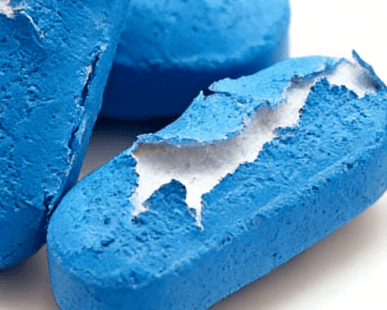
When Does Tablet Coating Chipping Usually Occur?
- Primary Location: Inside the Coating Pan
Thousands of tablets tumble inside the rotating pan, colliding with each other, rubbing against the pan wall, and rolling from high points. The edges and corners of the tablets bear the most concentrated impact, similar to how table corners are prone to bumps. Repeated mechanical stress gradually fatigues the fragile edges, leading to chipping. - Secondary Location: During Post-Coating Handling
After coating, tablets may be damaged during unloading, pipeline transfer, dust removal, and final packaging if the equipment design is not smooth (e.g., steps or height differences) or if handling is rough. The already weakened edges are most susceptible to chipping.
Chipping usually involves the tablet core material at the edges, not just the coating film. The coating process often exposes the inherent fragility of the tablet edges.
How to Effectively Prevent Chipping
1. Optimize Tablet Design (Fundamental Solution)
- Modify Shape: Replace sharp edges with rounded corners. Standard round or oval biconvex tablets are ideal. The streamlined shape disperses stress better, providing stronger impact resistance than flat tablets.
- Optimize Formulation and Compression Process:
- Adjust binders to ensure sufficient edge adhesion.
- Appropriately increase compression force within allowable limits to improve density and hardness of the tablet core and edges.
- Monitor friability: Before coating, ensure extremely low tablet friability (e.g., <0.1%).
2. Optimize Coating Process (Gentle Environment)
- Reduce coating pan speed: Use the lowest effective speed while ensuring uniform tablet bed rolling.
- Optimize equipment and parameters:
- Use modern coating pans with baffles or guide plates to direct smooth tablet movement and reduce free-fall collisions.
- Adjust inlet and exhaust airflow to maintain smooth tablet bed movement, preventing sticking or slipping.
3. Optimize Post-Coating Handling (Full Protection)
- Design smooth material paths: All transfer channels, hoppers, and transitions from the coating pan to the packaging line should be smooth, free of sharp angles, and minimize height differences. Use soft connectors, chutes, and reduce unloading height.
- Use gentle handling equipment: Prefer air conveyors over mechanical screws, and use flexible-lined hoppers and containers to avoid hard scratching.
4. Consider Coating Film Properties
Choose a coating formulation with good flexibility and strong adhesion. An elastic coating film can buffer minor impacts, although it cannot fully compensate for weak tablet edges.
Summary
Tablet coating chipping is a mechanical damage defect that mainly affects edges and corners. Manufacturers can effectively reduce chipping and improve tablet appearance by strengthening tablet design, optimizing coating conditions, and improving handling systems.
For more information on coating systems and process solutions to minimize tablet mechanical damage, feel free to contact us.